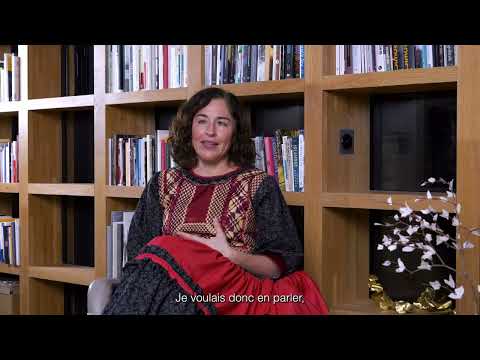
The 2025 Jan Michalski Prize for Literature has been awarded to Guadalupe Nettel for her book La hija única (Anagrama, 2020), translated from the Spanish (Mexico) by Rosalind Harvey as Still Born (Fitzcarraldo, 2022).
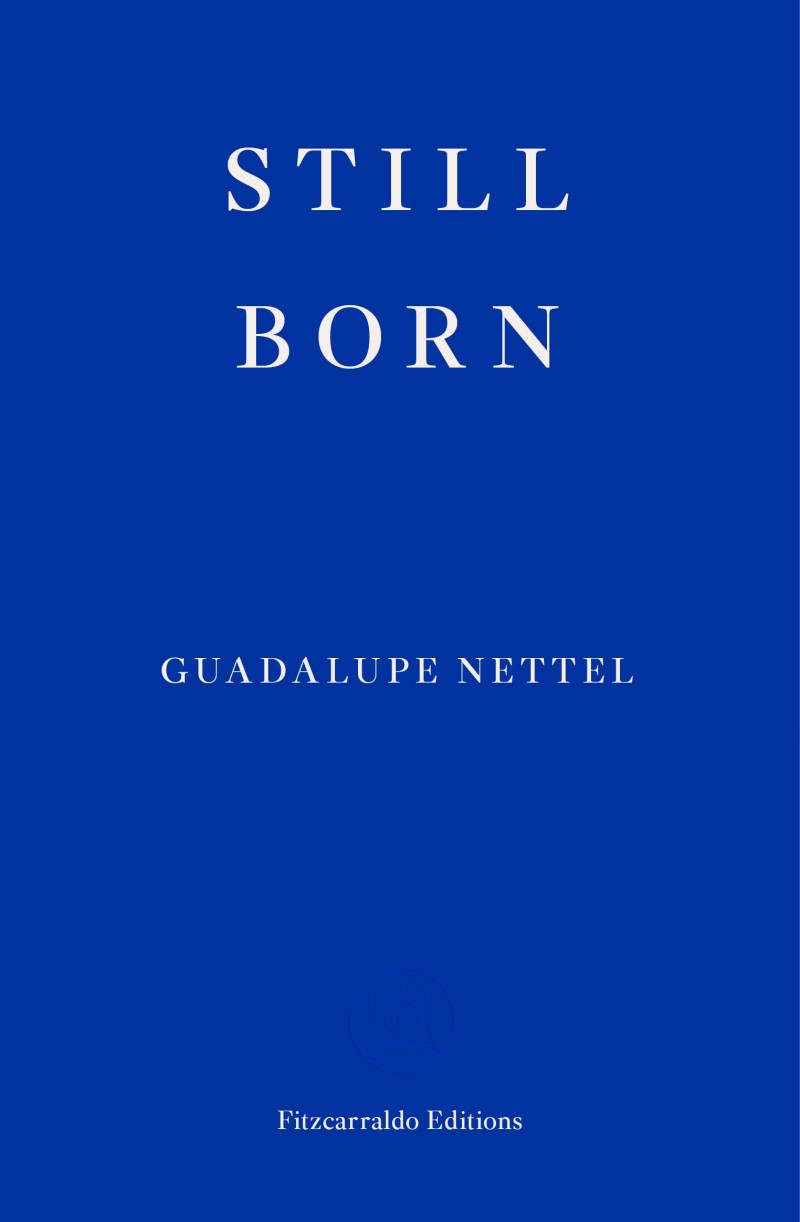
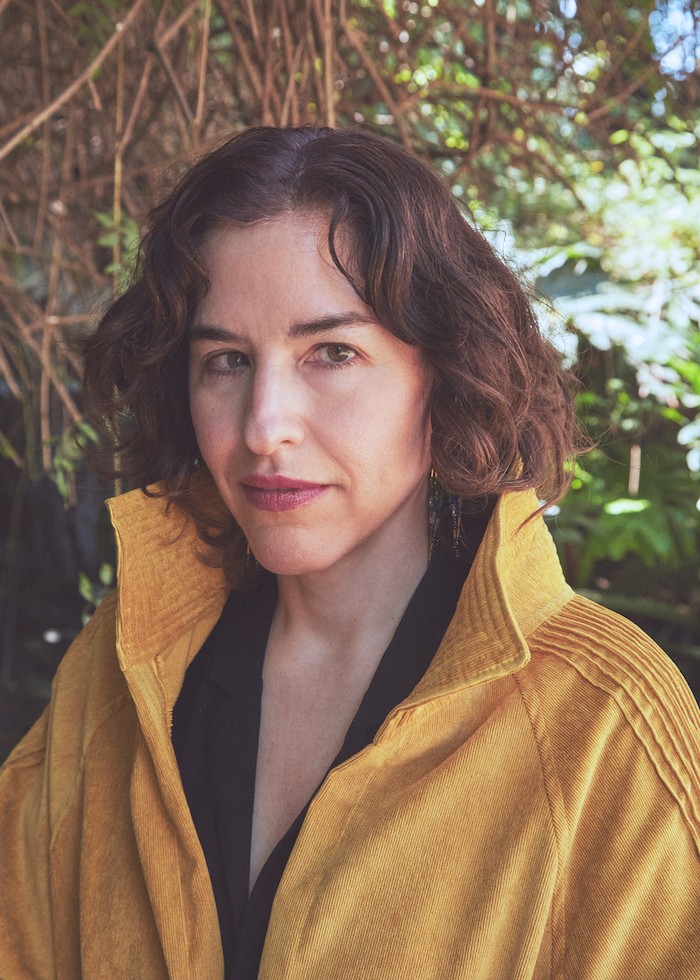
The jury praised the work as “a novel that explores motherhood with heartbreaking intelligence beyond the social constraints that are imposed on women’s bodies, going to the very limit and sketching out a multidimensional place that is both political and emotional. It is a delicate ode to the complexities of female identities, to their capacity to transform themselves, and beyond, to the power of sisterhood and solidarity among women, by a major voice of Latin American literature.”
Winner of the 2025 Jan Michalski Prize for Literature, the novel Still Born by the Mexican writer Guadalupe Nettel intertwines the difficult paths three women have taken, in order to reimagine motherhood far from the norms of the social contract and show the subtle ways a family can be formed.
Laura, the narrator, and her lifelong friend Alina have always shared a knowing aversion to both the pressures to have children and the subjugation of women’s bodies, that is until the day one of them decides to set off in a different direction, troubling their friendship. Whereas Laura states once and for all that she will never have children, Alina fights to fulfill her desire to be a mother. In the seventh month of her pregnancy, her doctors tell her that the baby she is carrying has a severe cerebral malformation and urge her to begin a cruel process of grieving her infant before birth even. Unexpectedly the baby girl she gives birth to defies what medical science predicted and proves determined to enjoy life despite her handicaps while upending the lives of her parents and those around them.
The journey through the tragedies and trying moments marking this chapter of Laura’s life alongside her friend also includes befriending her neighbors Doris and her eight-year-old son Nicolás. Scarred by the violence of a man whose grim memory continues to instill fear and pain in their daily lives, mother and son live together in an atmosphere of hostility. Doris is crushed by the weight of her helplessness and Laura is eventually pushed to take care of the young boy; meanwhile on her balcony, mirroring her own situation, a pair of pigeons brood an egg that is not theirs, then rear the chick of another species as if it were their offspring.
Under this unsettling image of what biology calls brood parasitism, Still Born celebrates unexpected children as well as their biological or alternative mothers, whether they are obvious or purely invented. The narrative threads, masterfully intertwined by Nettel, deftly create a space that is open to lives that are diverse, lives that defy fate and challenge the established medical and patriarchal order. In spare prose that is imbued with restrained emotions, Nettel gives voice to the strength of supportive communities in the face of loneliness. A keen observer who rejects moralizing and simplification, the novelist gives women the freedom to tell their stories, support one another, and above all make their own choices.
Laureate
Guadalupe Nettel
Biography
Born in Mexico in 1973, Guadalupe Nettel divides her life between her native country, Barcelona, and Paris, where she earned her doctorate in Language Sciences in 2008 at the École des hautes études en sciences sociales (the School for Advanced Studies in Social Sciences). In a growing body of work that has earned her a number of international awards, she explores through fiction human beings’ relationship to the uncanny, disease, and others who deviate from the norm. Her novels and short story collections, including Pétalos y otras historias incómodas (Bezoar and Other Unsettling Stories, trans. Suzanne Jill Levine, Seven Stories Press, 2020), El cuerpo en que nací (The Body Where I Was Born, trans. J.T. Lichtenstein, Seven Stories Press, 2015), El matrimonio de los peces rojos (Natural Histories, trans. J.T. Lichtenstein, Seven Stories Press, 2014), Después del invierno (After the Winter, trans. Rosalind Harvey, Coffee House Press, 2018), Los divagantes (The Accidentals, trans. Rosalind Harvey, Fitzcarraldo, 2022), and Still Born, which was shortlisted for the International Booker Prize in 2023, have been translated into over twenty languages. She is a regular contributor to numerous publications, including Granta, La Repubblica, The White Review, and The New York Times, and was the editor-in-chief of the cultural review La Revista de la Universidad de México from 2017 to 2024.
Selections
Et si les Beatles n’étaient pas nés ?
Proposed by Nicolas Grospierre
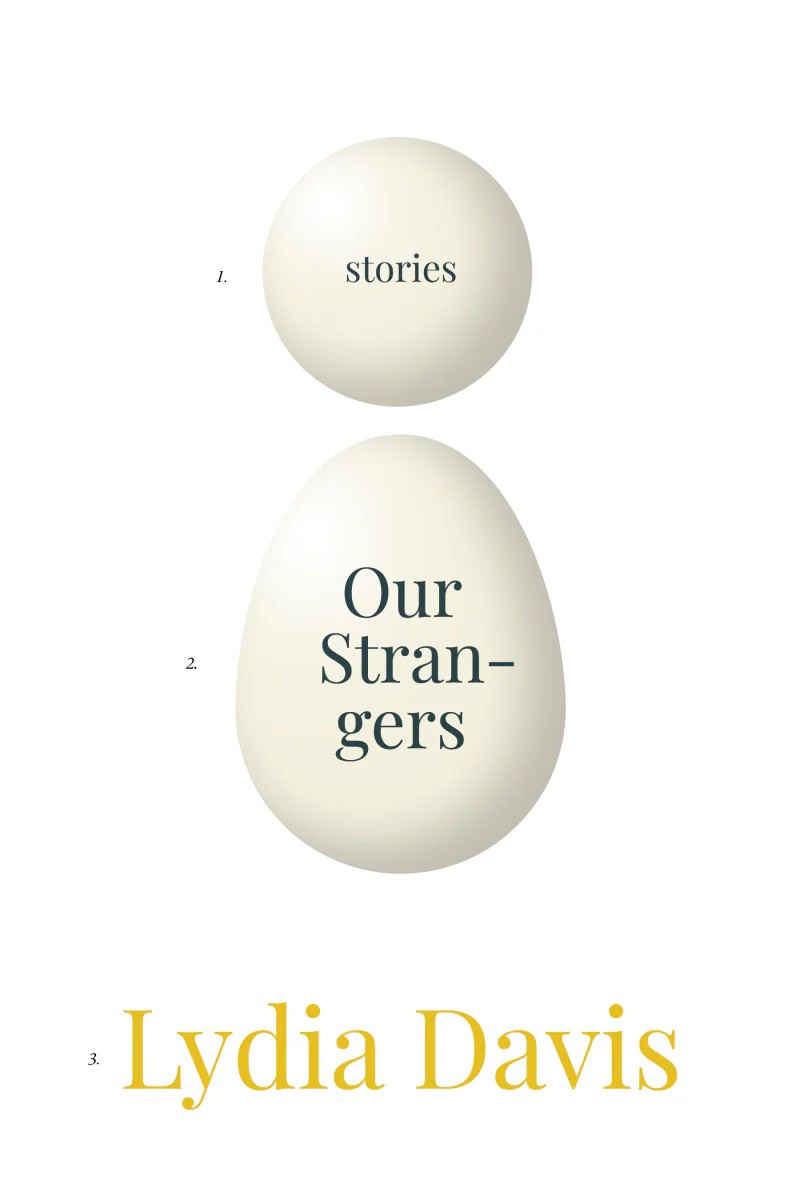
Our Strangers: Stories
Proposed by Gonçalo M. Tavares
Still Born
Fitzcarraldo Editions, 2022
Proposed by Andrea Marcolongo
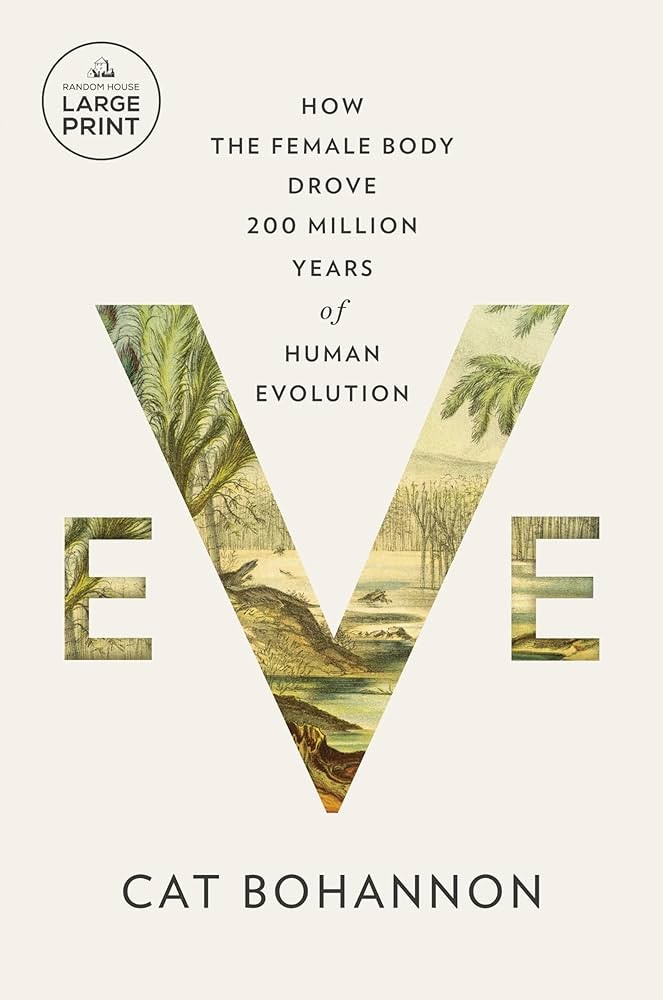
Eve: How the Female Body Drove 200 Million of years of Human Evolution
Proposed by Sjón
Our Strangers: Stories
Proposed by Gonçalo M. Tavares
Still Born
Fitzcarraldo Editions, 2022
Proposed by Andrea Marcolongo
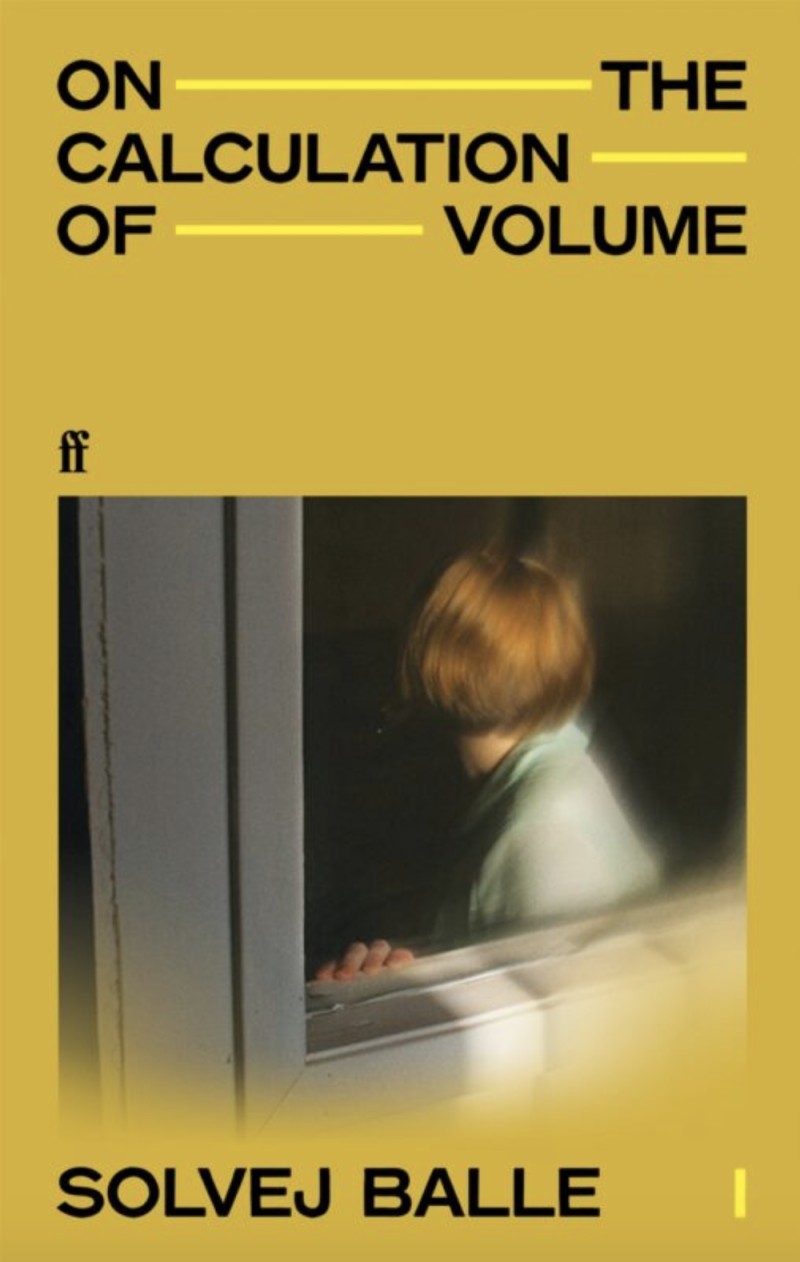
On the Calculation of Volume I
Faber & Faber, 2025
Proposed by Sjón
Et si les Beatles n’étaient pas nés ?
Proposed by Nicolas Grospierre
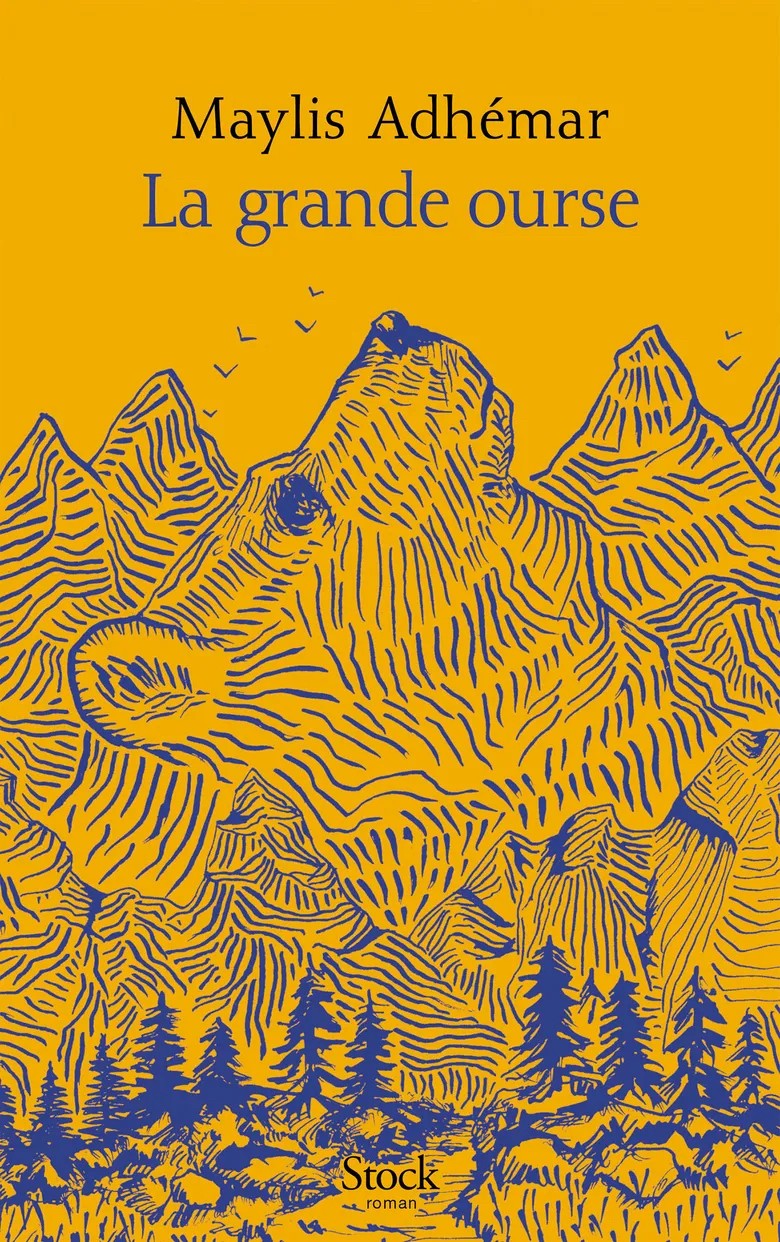
La grande ourse
Proposed by Jonathan Coe
On the Calculation of Volume I
Faber & Faber, 2025
Proposed by Sjón
Et si les Beatles n’étaient pas nés ?
Proposed by Nicolas Grospierre
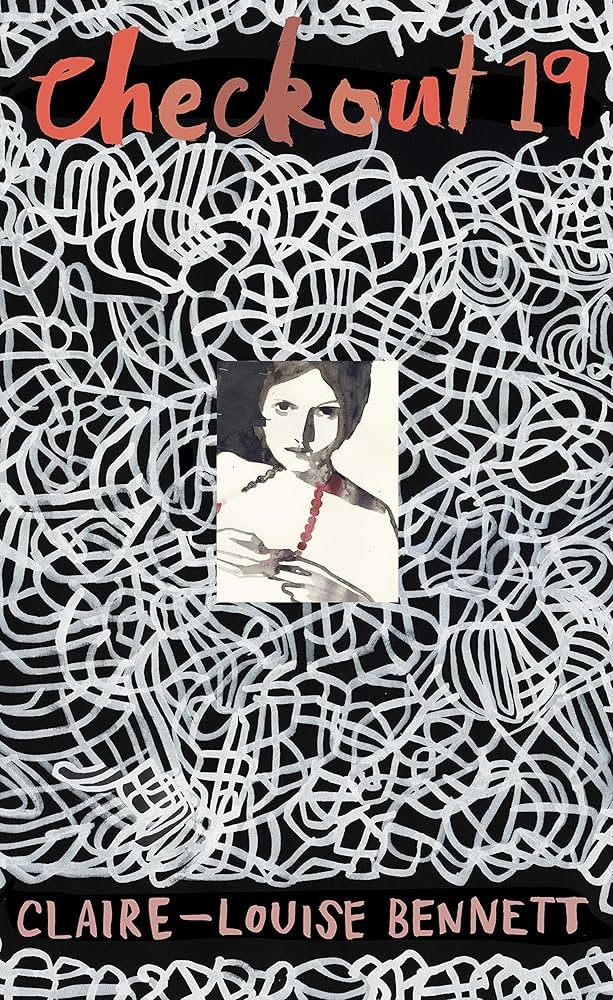
Checkout 19
Proposed by Vera Michalski-Hoffmann
Eve: How the Female Body Drove 200 Million of years of Human Evolution
Proposed by Sjón
Our Strangers: Stories
Proposed by Gonçalo M. Tavares
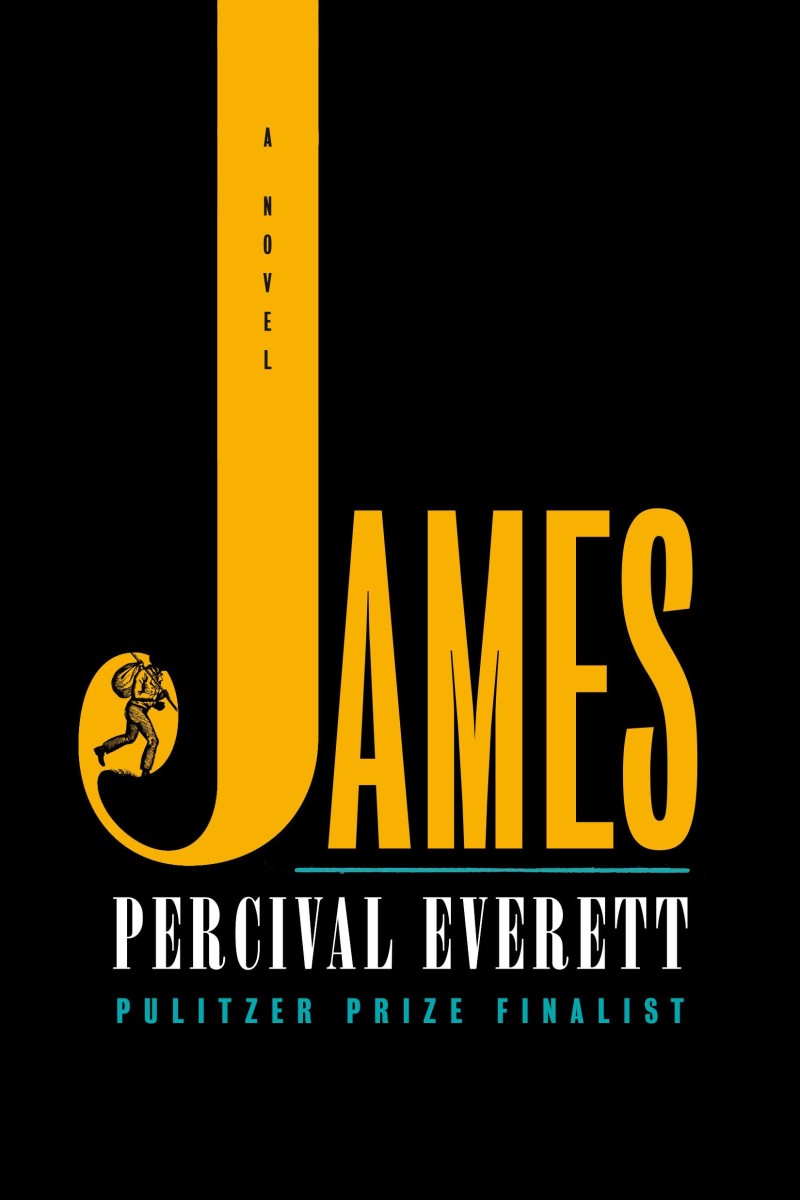
James
Proposed by Nicolas Grospierre
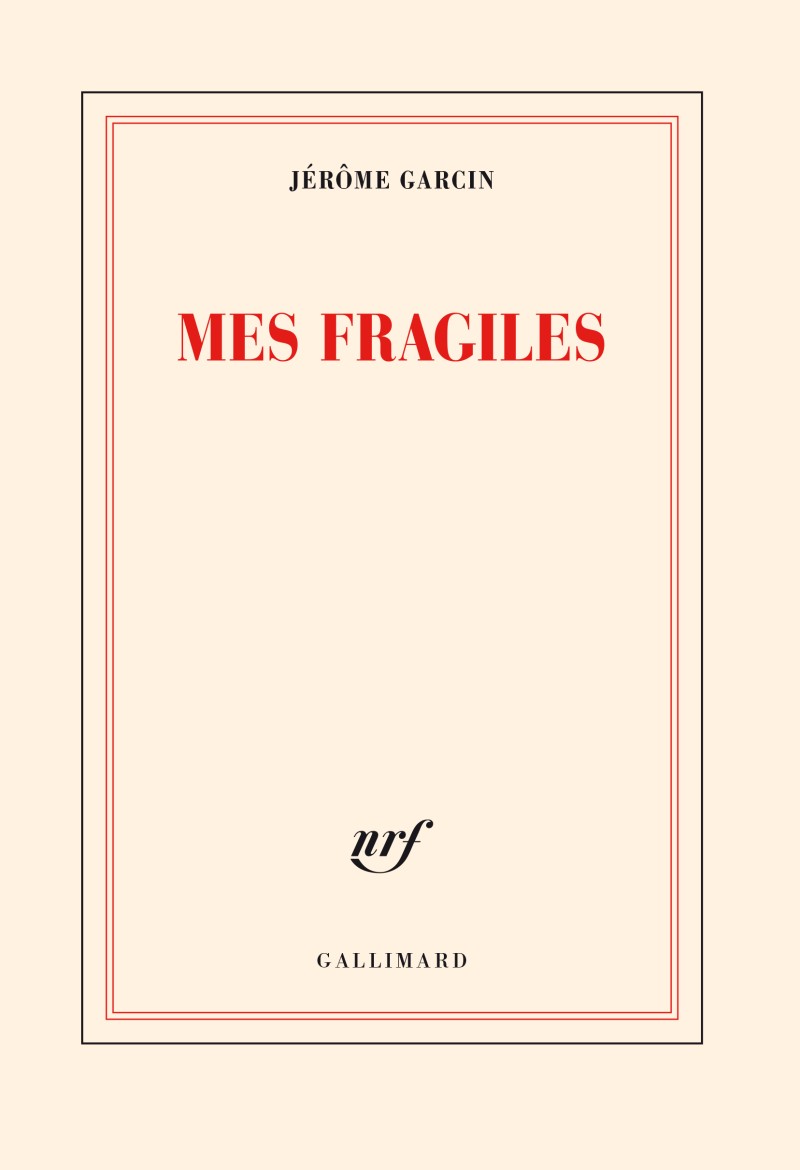
Mes fragiles
Proposed by Scholastique Mukasonga
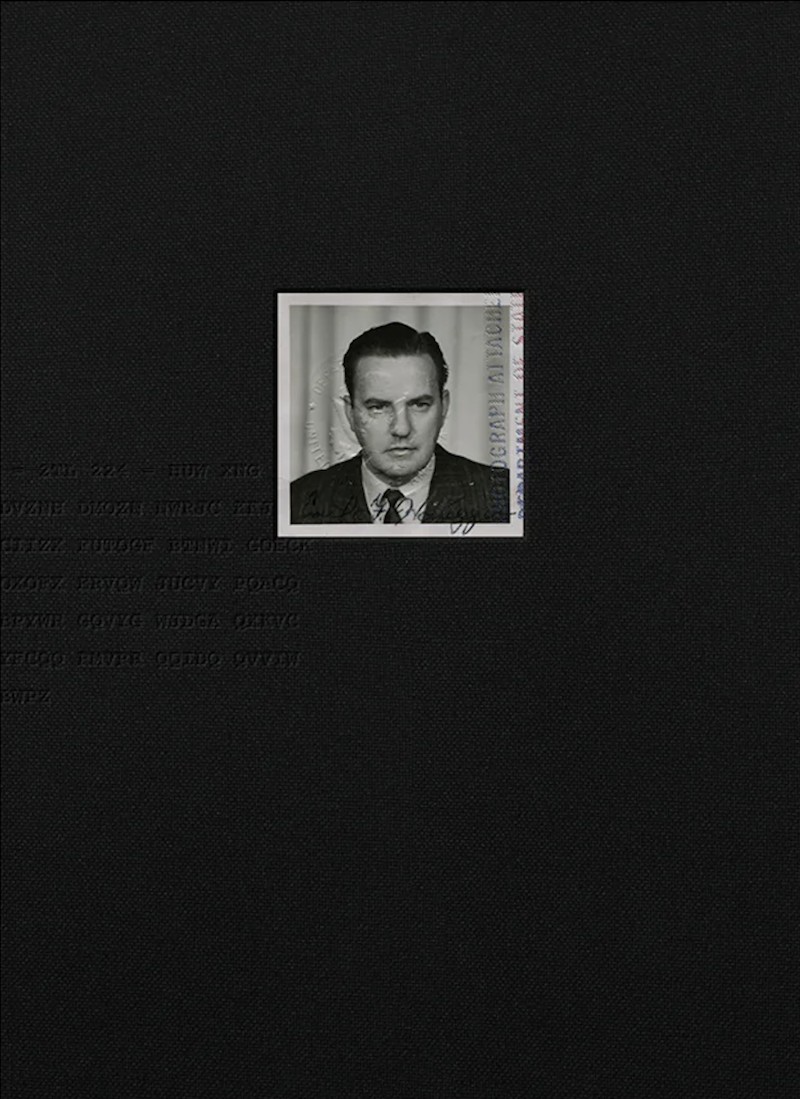
The Need to Know
Proposed by Vera Michalski-Hoffmann
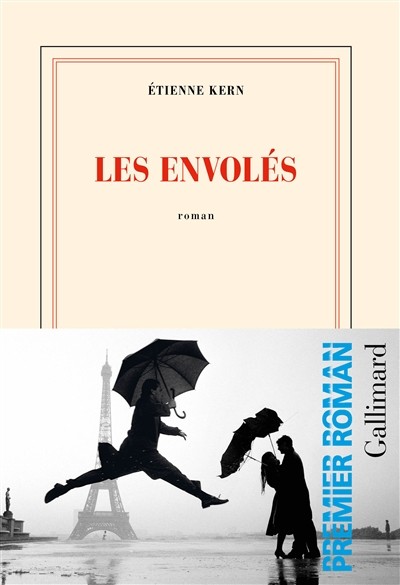
Les envolés
Proposed by Scholastique Mukasonga
Still Born
Fitzcarraldo Editions, 2022
Proposed by Andrea Marcolongo
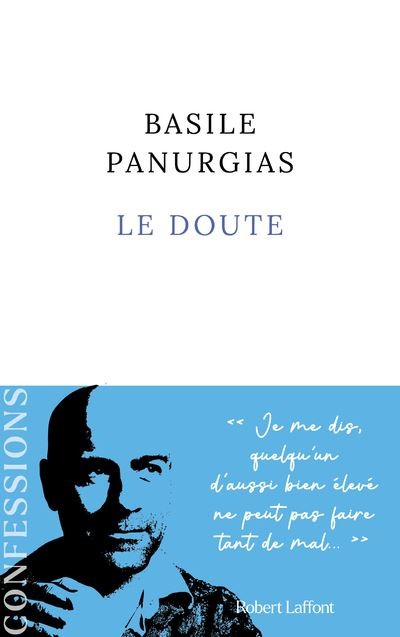
Le doute
Proposed by Andrea Marcolongo
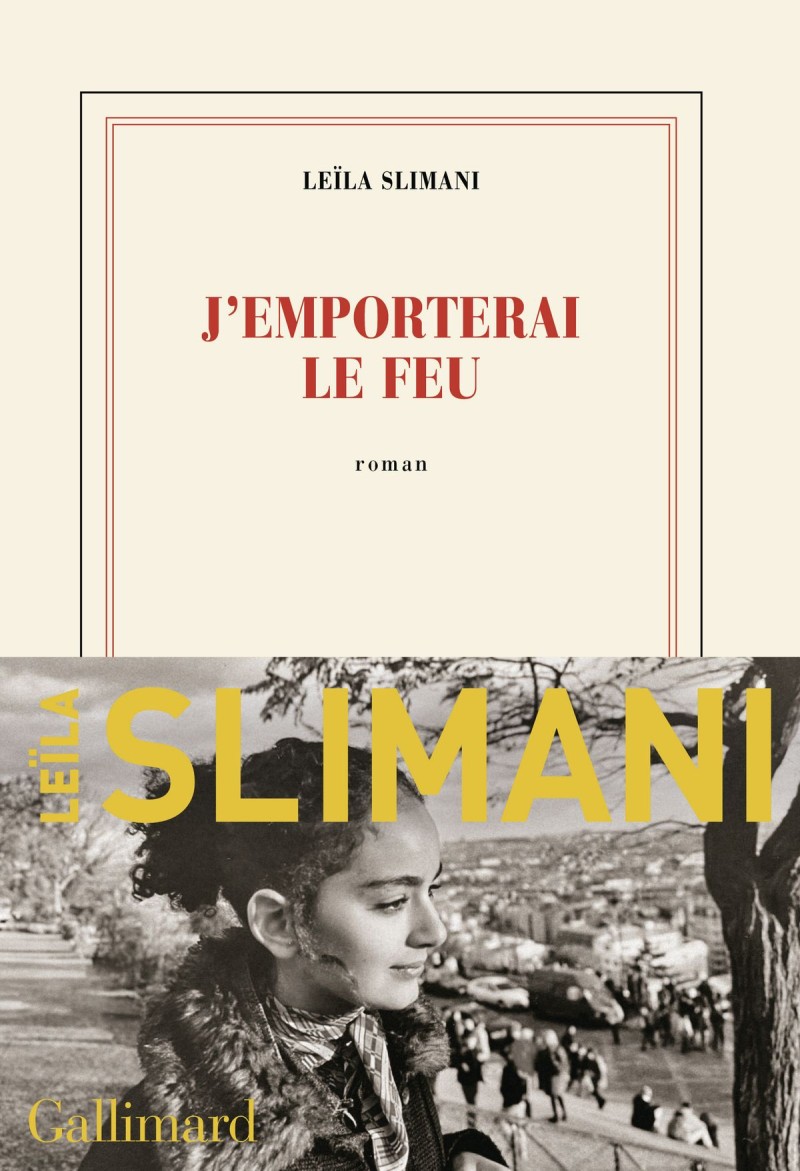
J’emporterai le feu
Proposed by Gonçalo M. Tavares
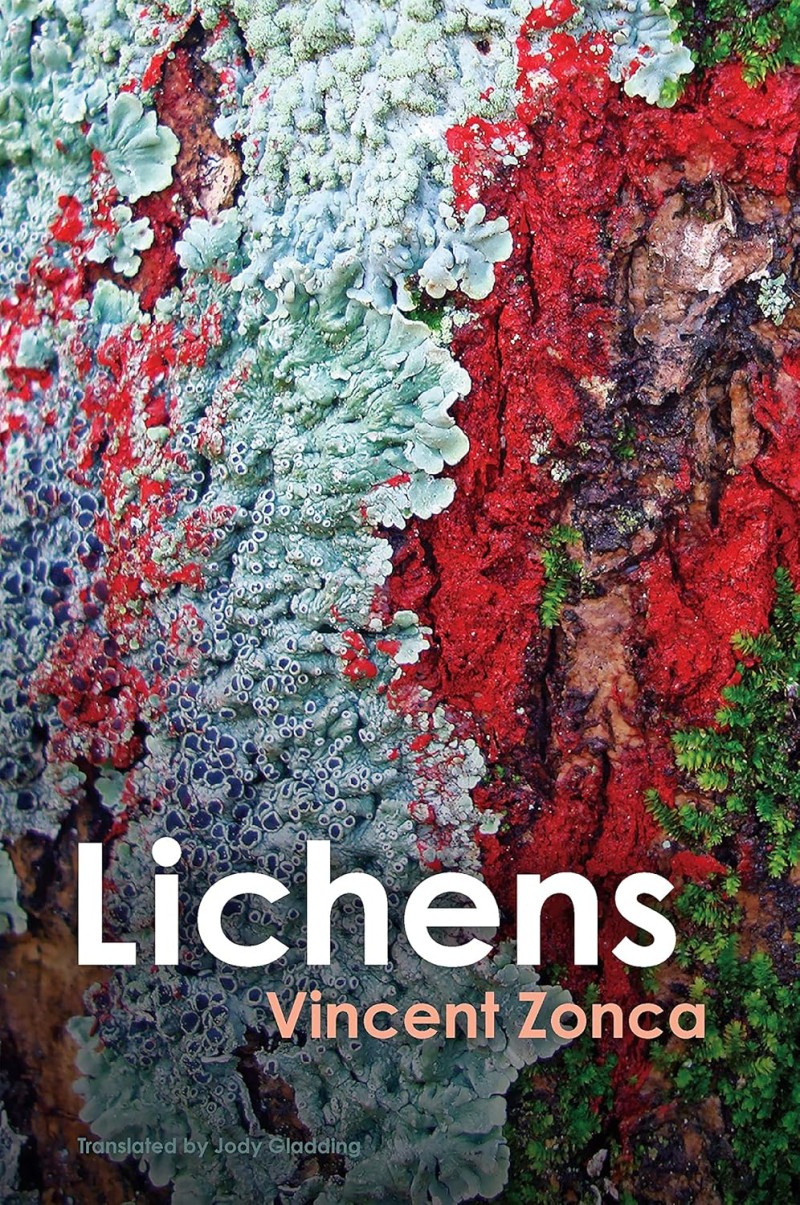
Lichens: Toward a Minimal Resistance
Polity, 2023
Proposed by Jonathan Coe
Jury
Vera Michalski-Hoffmann, President of the jury
The publisher Vera Michalski-Hoffmann, born in 1954, who has always been committed to promoting literature and the written word, founded the publishing group Libella with Jan Michalski. Since 1987 numerous authors have been brought out in French, Polish and English at various publishing houses, including Noir sur Blanc, Buchet-Chastel, Phébus, and Wydawnictwo Literackie. In 2004 Vera Michalski created the Jan Michalski Foundation for Writing and Literature, whose mission is to foster literary creation and encourage the practice of reading through a range of initiatives and activities.
Jonathan Coe
The British novelist and biographer Jonathan Coe was born in 1961 in Birmingham (UK). He studied at the King Edward’s School and Trinity College, before going on to earn a PhD in English literature. He teaches at the University of Warwick. Coe made a name for himself internationally with his fourth novel, What a Carve Up! (Viking Press, 1994). His body of work has earned Coe a number of awards in his native Britain; published by Gallimard, his books have also garnered several prestigious prizes in France, including the 1998 Prix Médicis étranger for La maison du sommeil (The House of Sleep), and the 2019 European Book Prize for Le cœur de l’Angleterre (Middle England). In 2004 he became a Chevalier of the Ordre des Arts et des Lettres de France. His latest novel, The Proof of My Innocence, is published in 2024 by Viking.
Andrea Marcolongo
The Italian writer and journalist Andrea Marcolongo was born in 1987 in Crema, Italy. A scholar of ancient Greek with a degree in Classical Literature from the Università degli Studi in Milan, she has written several best-selling books, including La lingua geniale. 9 buone ragioni per amare il greco in 2016 (The Ingenious Language: Nine Epic Reasons to Love Greek, 2019); La misura eroica. Il mito degli argonauti e il coraggio che spinge gli uomini ad amare in 2018; Alla fonte delle parole. 99 etimologie che ci parlano di noi in 2019; and La lezione di Enea in 2020 (Starting from Scratch: The Life-Changing Lessons of Aeneas, 2022). Her books have been translated in nearly thirty countries. She is also a member of the jury for the Prix du Grand Continent and is a regular contributor to Italian and foreign newspapers, including La Stampa and Le Figaro. Published in 2024, her essay Courir (Gallimard) wins the Jules Rimet Prize the same year.
Gonçalo M. Tavares
A prize-winning Portuguese writer and professor of epistemology at the University of Lisbon, Gonçalo M. Tavares was born in Luanda, Angola, in 1970. He is seen today as one of the main literary voices in that language and has published in a variety of genres, from novels and poetry, to plays and essays. His works have been translated into over fifty languages and have won a number of national and international awards, including the José Saramago Prize for Jerusalem in 2005, and France’s prestigious Prix du Meilleur Livre Étranger for Learning to Pray in the Age of Technologyin 2010. In 2019 was published in English Reading Is Walking (Quantum Prose), and in 2025 A Girl is Lost in Her Century, Looking for Her Father (Ingram).
Sjón
A celebrated Icelandic novelist, poet, lyricist and screenwriter, Sjón (Sigurjón Birgir Sigurðsson) was born in Reykjavik, Iceland, in 1962. His novels include in English The Blue Fox (2005 Nordic Council’s Literature Prize), From the Mouth of the Whale, The Whispering Muse, the trilogy CoDex 1962 and Red Milk (2019), published by Farrar, Straus & Giroux and translated into thirty-five languages. His long-time collaboration with the singer Björk led to an Oscar nomination for Best Original Song, “I’ve Seen It All” from Lars von Trier’s Dancer in the Dark. The most recent film he co-wrote is Robert Eggers’ feature The Northman (2022), inspired by the Icelandic sagas. He is the president of the Icelandic PEN Center.
Scholastique Mukasonga
An author, novelist and short-story writer, Scholastique Mukasonga was born in 1956 in Rwanda. Faced with the persecution of the Tutsi people, she was forced into exile in Burundi before settling in France in 1993. She wrote her first novel, Inyenzi ou les cafards (Gallimard, 2004), in English titled simply Cockroaches (Archipelago, 2016), in the aftermath of the tragedy of the 1994 Tutsi genocide during which thirty-seven members of her family were killed. Today her work boasts eleven novels and short-story collections translated in over twenty languages. She has been awarded numerous prizes in France and internationally, including the 2012 Prix Renaudot for Notre-Dame du Nil (Gallimard, 2012), translated as Our Lady of the Nile (Archipelago, 2014), and the Prix Simone de Beauvoir. Two of her books, The Barefoot Woman (Archipelago, 2008) and Kibogo (Blackstone Publishing, 2020) were shortlisted for the National Book Award. In 2013, she was named Chevalier des Arts et des Lettres. Her latest novel, Julienne, was published by Gallimard in 2024 and won the Prix de l’Académie des Sciences d’Outre-Mer.
Nicolas Grospierre
Born in 1975 in Geneva, Nicolas Grospierre is a Franco-Polish visual artist and photographer. He wholly embraced his artistic calling following studies at Paris’s Institut d’études politiques and the London School of Economics. Now based in Poland, he sees modern architecture as central to his practice, putting it in dialogue with the themes of collective memory and the Anthropocene. In fusing different mediums he creates photo installations that offer viewers halls of mirrors and plays of light. He was awarded a Golden Lion at the 2008 Venice Biennale of Architecture. His work has been exhibited in museums throughout Europe and the Americas.
Related
Speech by Guadalupe Nettel, laureate
Discurso de Guadalupe Nettel, ganadora
Laudatio for Guadalupe Nettel