The 2026 Jan Michalski Prize for Literature has been awarded to Penny Johnson and Raja Shehadeh for Forgotten: Searching for Palestine’s Hidden Places and Lost Memorials (Profile Books, 2025).
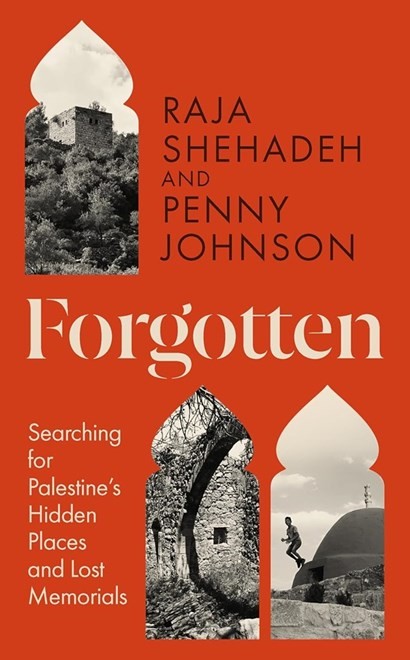
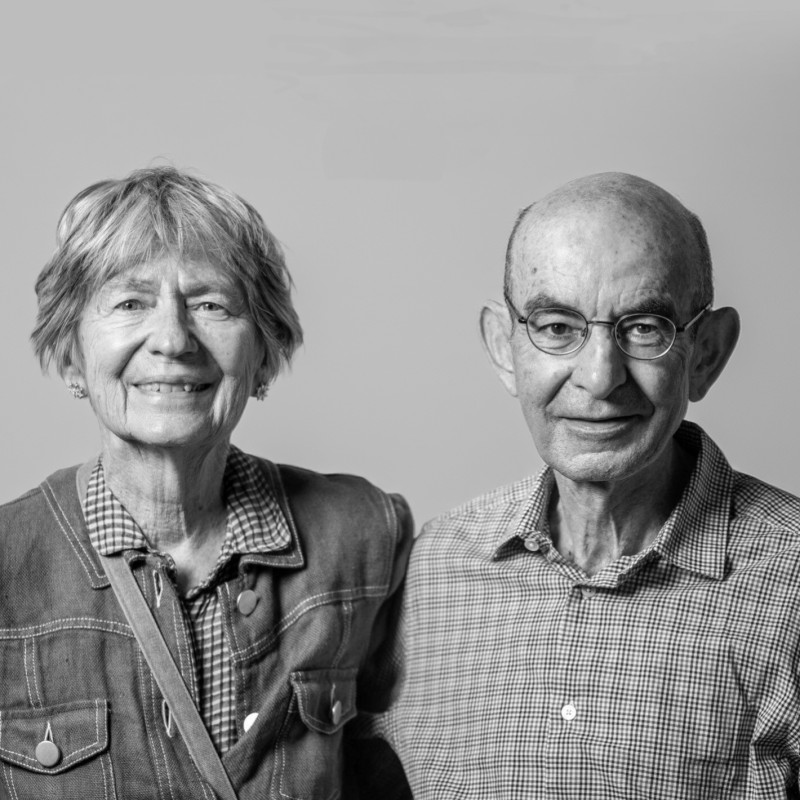
The jury praised the work as “a very humble yet powerful book taking us on a quest for hidden, neglected or erased memorials through the fragmented geography of historic Palestine today. It is the culmination of couple’s life and literary work, advocating the idea that memory should be looked after and preserved in order for a culture to survive, conveying an extremely vivid militancy in a subdued voice, which makes its moral impact all the more powerful.”
Forgotten, the winner of the 2026 Jan Michalski Prize for Literature, follows the long journey of the researchers and writers Penny Johnson and Raja Shedadeh as they hunt for fragments of Palestine’s cultural memory that have been forgotten or deliberately erased. From antiquity through the Ottoman Empire and the British Mandate to today, the traces they pursue range from archeological remains to recent ruins and include commemorative steles, sanctuaries, tombs, mosques, and caravansaries, abandoned railway networks, even entire towns and settlements that have been razed. They are the tangible signs of an endangered heritage, one that has been eroded through the violence that has pervaded the contested space of Palestine since the Nakba of 1948-49 and the expulsion of a large portion of the Arab population from their lands following the proclamation of the State of Israel.
The authors of Forgotten have made their way through a geography that has been endlessly redrawn – today more than ever – by the Israeli-Palestinian conflict. This has yielded territories that have been progressively fragmented, colonized, obstructed by checkpoints and roadblocks, and even walled off. And from these lands the occupying forces have sought to gradually erase history. Penny Johnson and Raja Shedadeh’s expeditions in search of the past of places on a map help readers to sense the fundamental connection between land, memory, and identity. From one excursion to the next, they spark a profound meditation on the challenges a society faces as it imagines what it is and could be in the future, even as it lacks a certain continuity of place, a coherent integration of history and space, and a stable transmission of memory. Sustained by an attentiveness that is both delicate and sharp, their approach reveals how much the fragmentation of cultural vestiges and their erasure impede a people from drawing on a shared knowledge in its entirety. Younger generations in particular face a rootless present. Increasingly hemmed in by Israeli urban planning and settlement projects, Palestinian youth experience not only severe restrictions of their freedom of movement, but also an alienation that leaves them feeling like strangers in their own land, for they have neither memory nor concrete experience of historic Palestine.
Forgotten is a sensitive journey past blanks and silences that closely trails the two writers on foot. Their eyes, their footsteps are ours. The book offers us a literature of reality imbued with restraint and possessing a power of suggestion that is far more striking than any indictment. Johnson and Shehadeh struggle not to overlook either the layers of Palestinian culture and its rich depths, or the lands and lives lost; their efforts are couched in a prose of great seriousness that occasionally sounds the soulful note of elegy. Photographs of the traces of memory shot by their friend Bassam Almohor and the researchers themselves are interspersed throughout. As a counterpoint to both the commentary of today’s news and the stories that take shape from war reporting, their memoir shows the most enduring effects of the conflict while offering a powerful yet modest attempt to forge connections once again in the fractured territories. Forgotten is a book like a bound space in which memory, even when erased from maps and narratives, and buried under rubble, persists.
As the winner of the 2026 Jan Michalski Prize for Literature, Penny Johnson and Raja Shehadeh will receive CHF 50,000 as well as a glazed ceramic Standing Figure by the artist Simone Fattal, selected especially for them
Laureate
Penny Johnson and Raja Shehadeh
Biography
Penny Johnson and Raja Shehadeh have lived in Ramallah, in the West Bank, for several decades and have coedited a number of collective works that explore the history of Palestine, its identity, memory, and day-to-day life. These include Seeking Palestine: New Palestinian Writing on Exile and Home (Unknown Binding, 2013), as well as Shifting Sands (2015) and (2025), both published by Profile Books.
A founding member of the Institute of Women’s Studies at Birzeit University in the occupied West Bank, the researcher Penny Johnson is a regular contributor to the Jerusalem Quarterly. She is the author of Companions in Conflict: Animals in Occupied Palestine (Melville House, 2019).
The Palestinian human rights lawyer Raja Shehadeh is the founder of the pioneering human rights organization Al-Haq, which began doing its necessary work before the Oslo Accords. He is also an award-winning author. His Palestinian Walks: Forays into a Vanishing Landscape (Profile Books) was singled out for the 2008 Orwell Prize, while We Could Have Been Friends, My Father and I: A Palestinian Memoir (Profile Books) was shortlisted for the 2023 National Book Award.
Selections
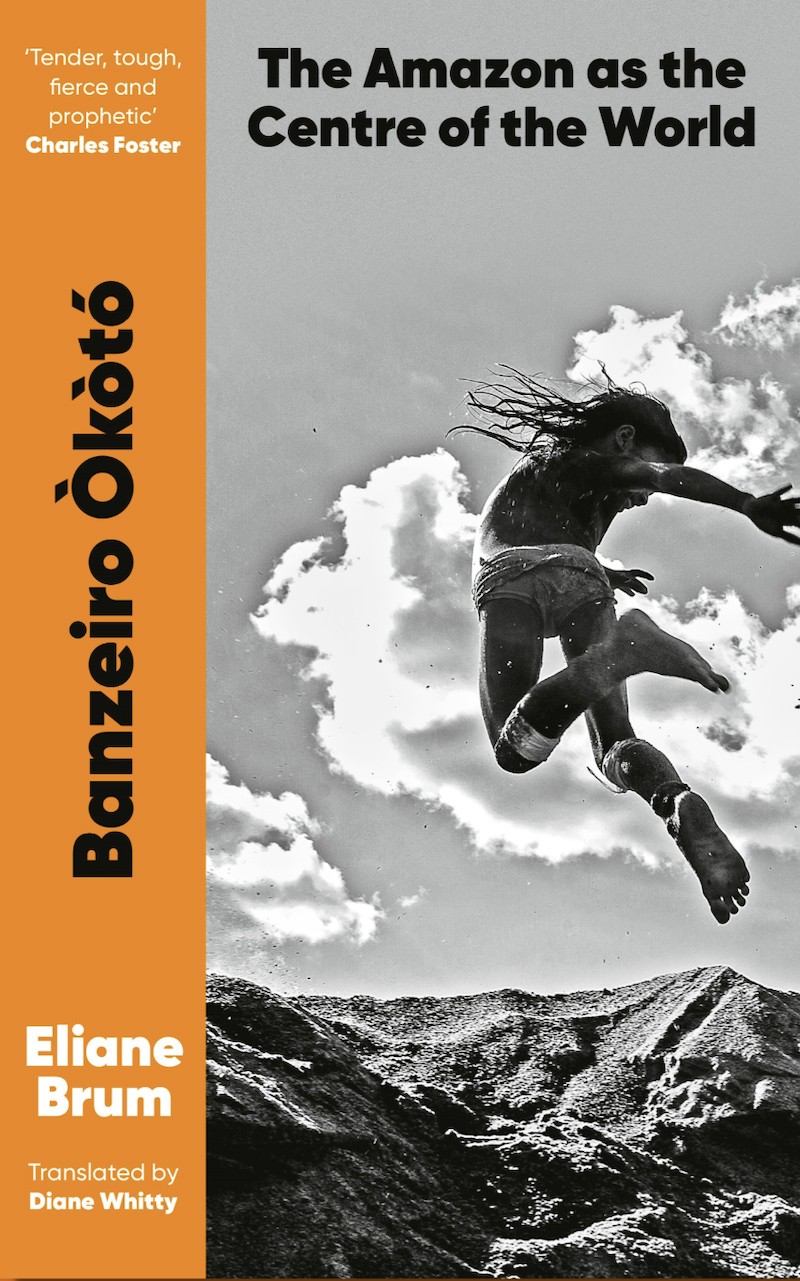
Banzeiro Òkòtó: The Amazon as the Centre of the World
Indigo Press, 2023
Proposed by Patrícia Melo
Forgotten: Searching for Palestine’s Hidden Places and Lost Memorials
Proposed par Nicolas Grospierre
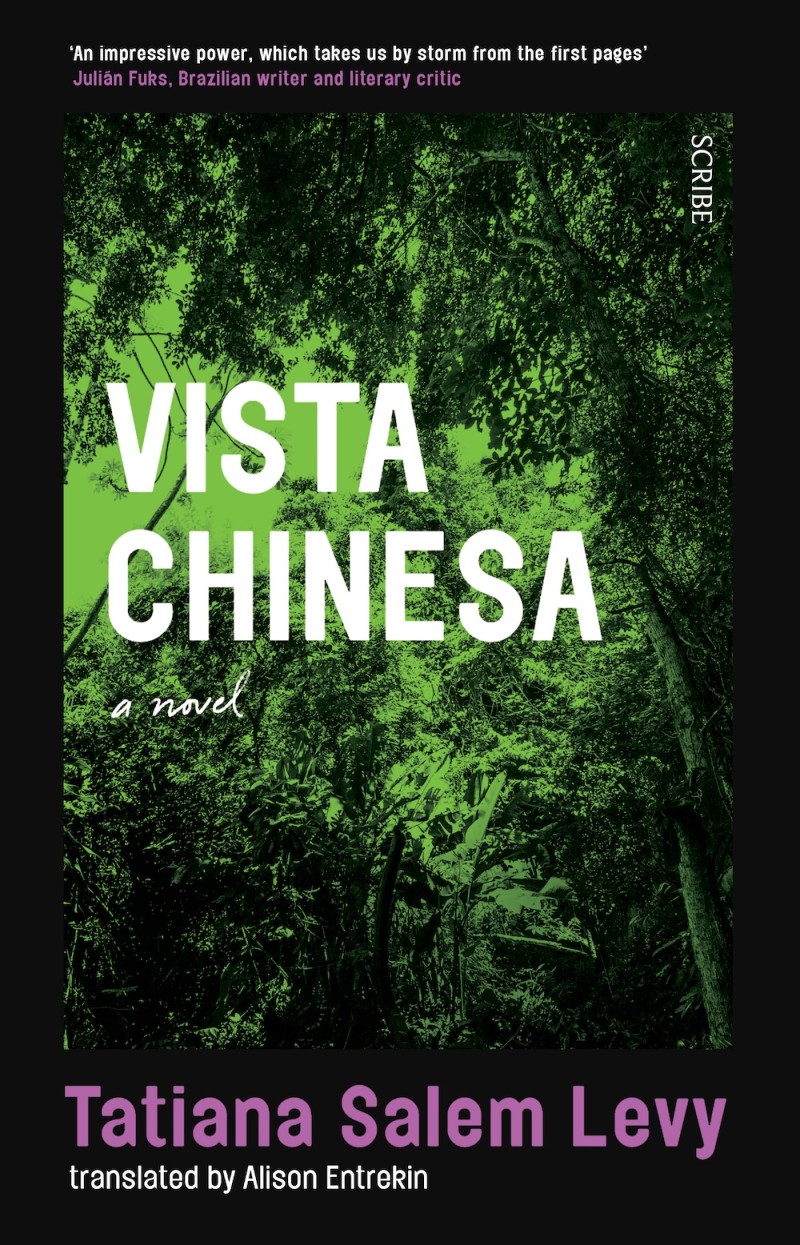
Vista Chinesa
Scribe, 2023
Proposed by Patrícia Melo
Banzeiro Òkòtó: The Amazon as the Centre of the World
Indigo Press, 2023
Proposed by Patrícia Melo
Forgotten: Searching for Palestine’s Hidden Places and Lost Memorials
Proposed par Nicolas Grospierre
Les enfants de Cadillac
Proposed by Scholastique Mukasonga
The Road to the Country
Proposed by Scholastique Mukasonga
Vista Chinesa
Scribe, 2023
Proposed by Patrícia Melo
Antipolis
Proposed by Karim Kattan
Banzeiro Òkòtó: The Amazon as the Centre of the World
Indigo Press, 2023
Proposed by Patrícia Melo
After Nature
Forlaget Gladiator, 2024
Proposed by Jens Christian Grøndahl
Forgotten: Searching for Palestine’s Hidden Places and Lost Memorials
Proposed par Nicolas Grospierre
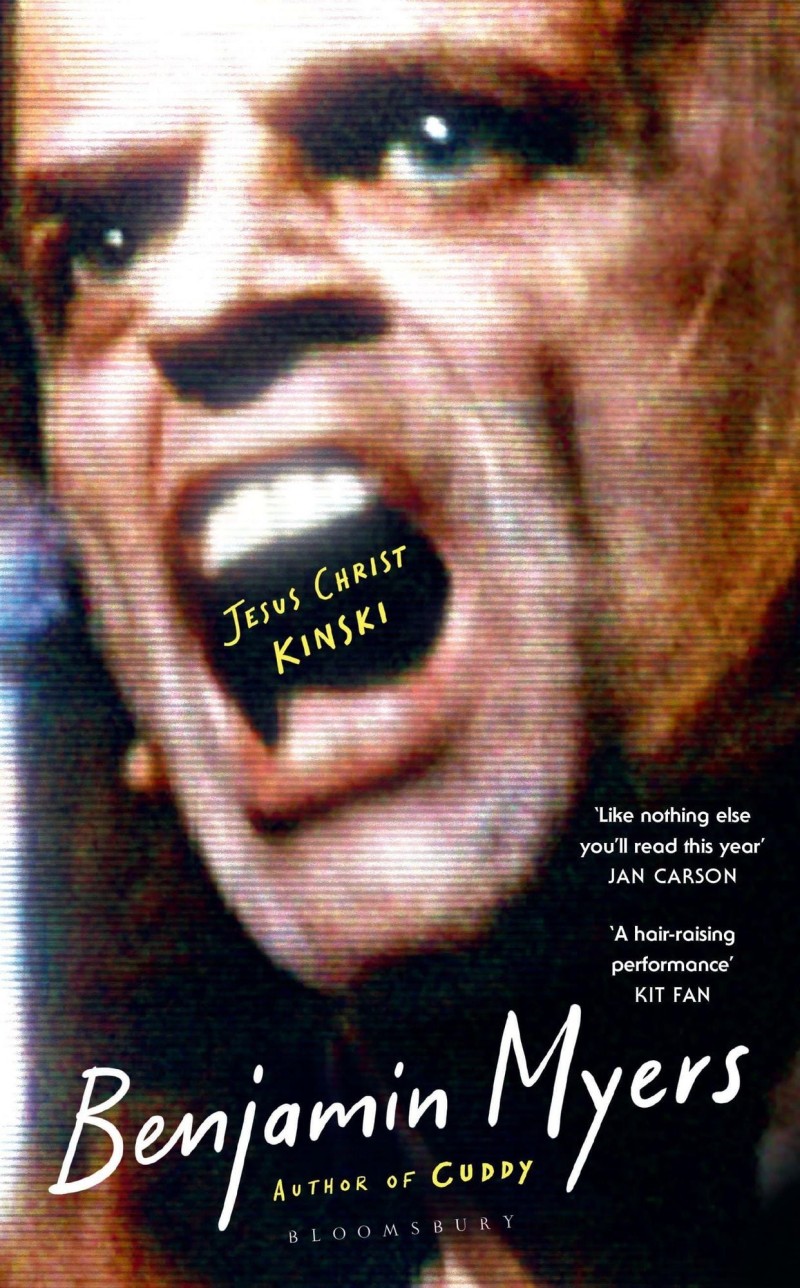
Jesus Christ Kinski
Proposed by par Karim Kattan
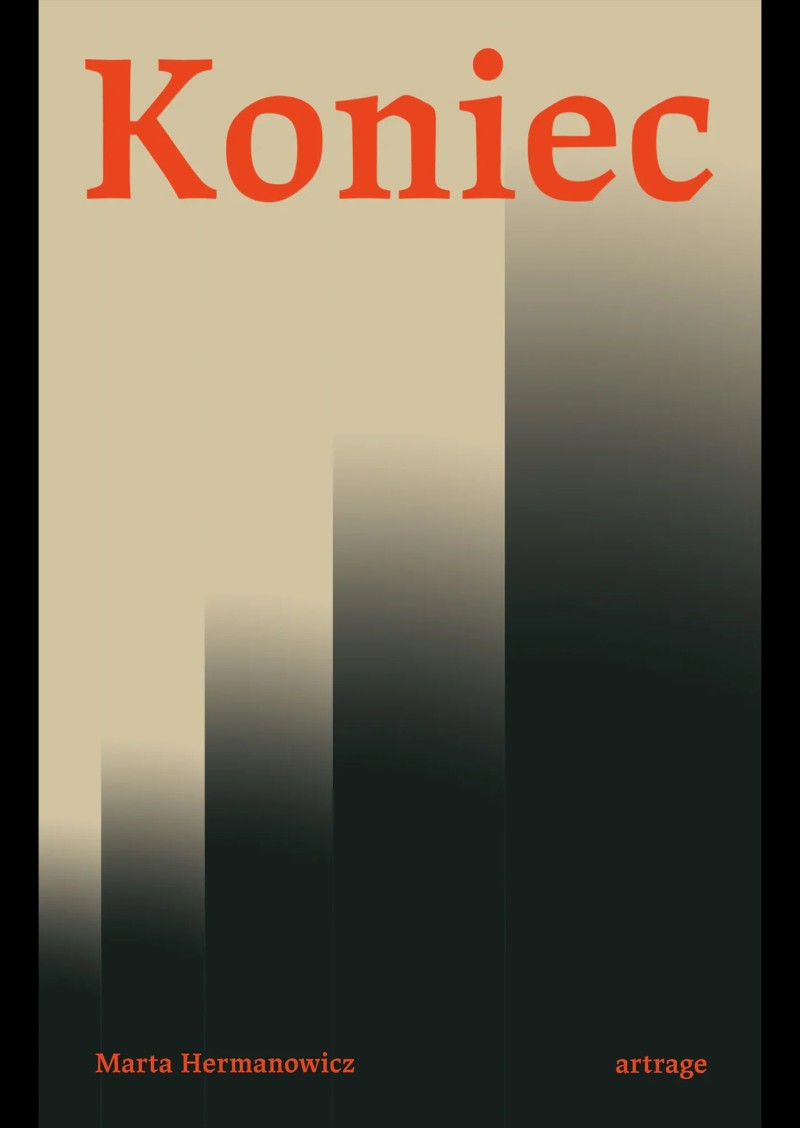
Koniec
Proposed by Nicolas Grospierre
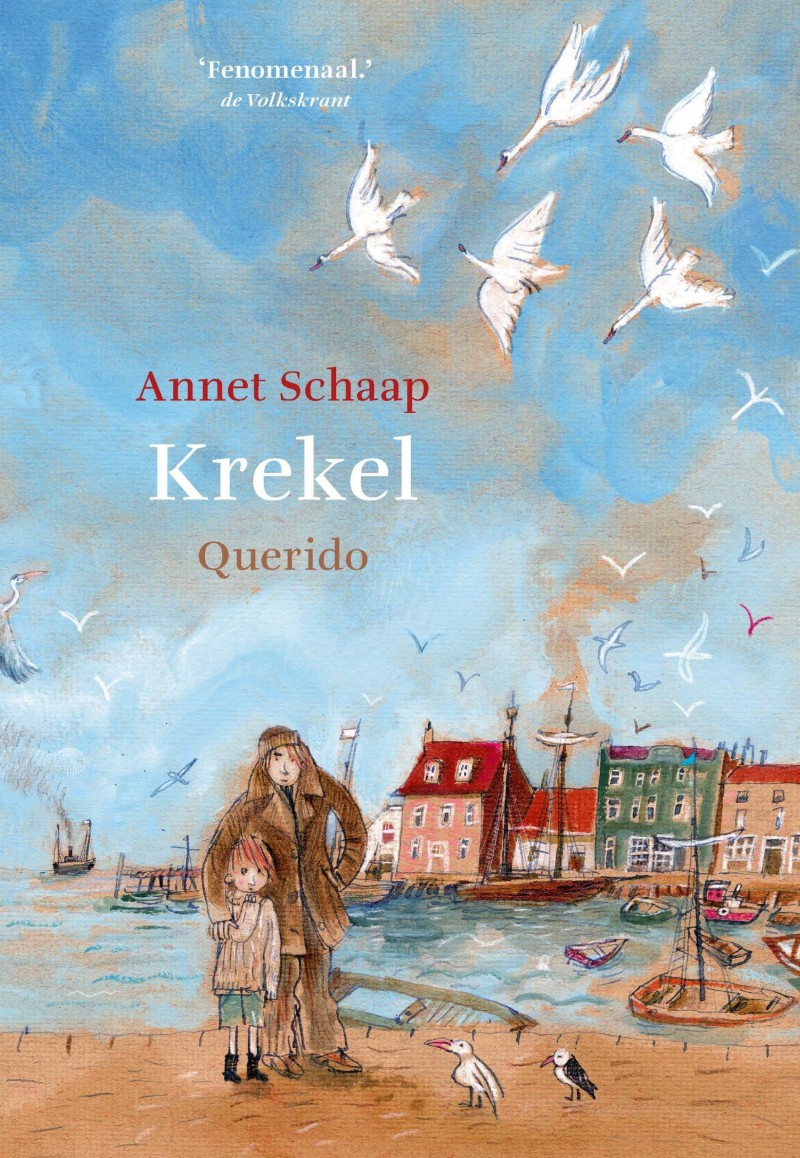
Krekel
Proposed by Vera Michalski-Hoffmann
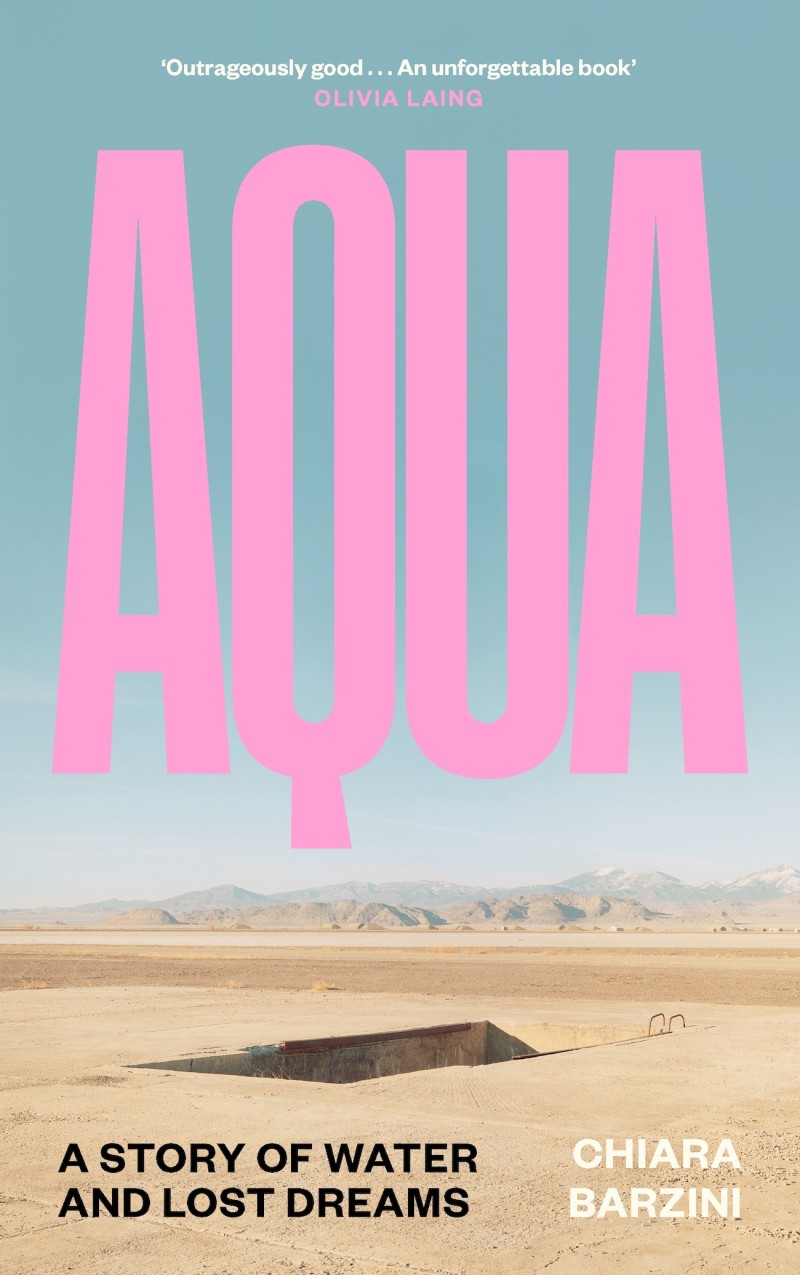
Aqua, a story of water and lost dreams
Proposed by Vera Michalski-Hoffmann
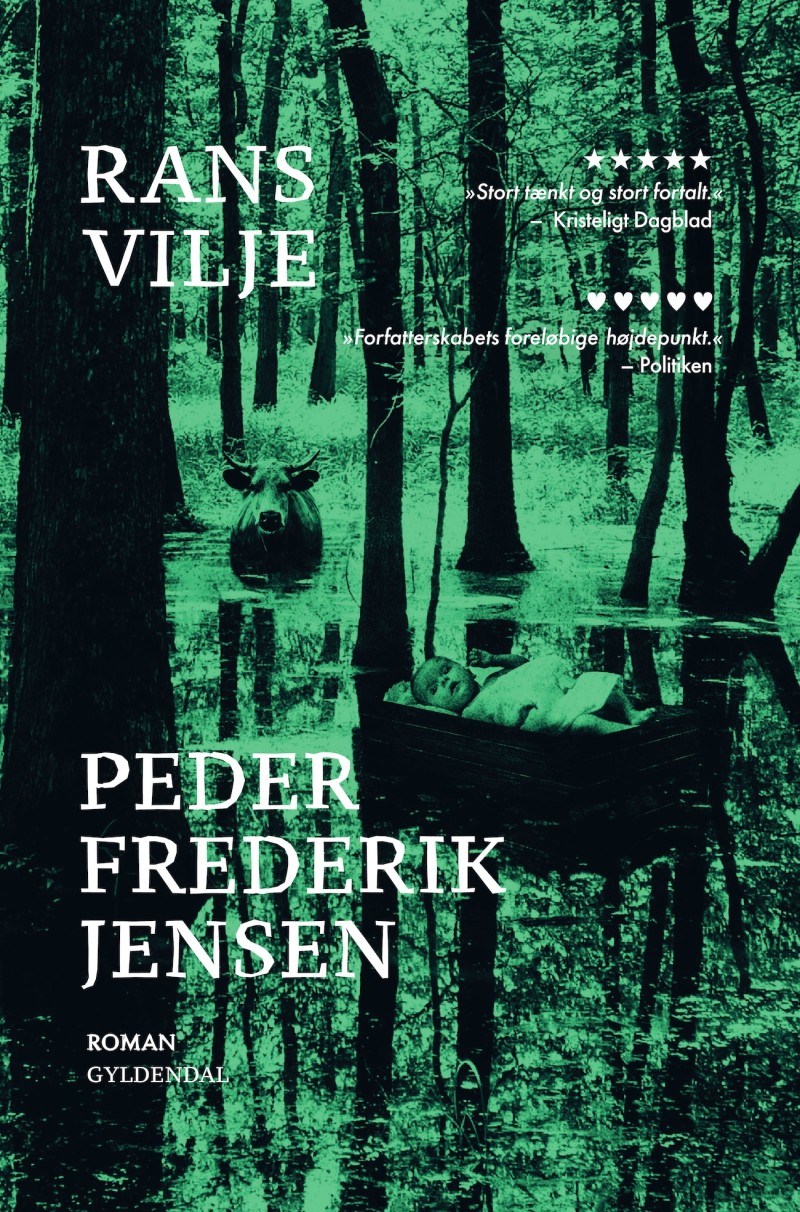
Rans Vilje
Proposed by Jens Christian Grøndahl
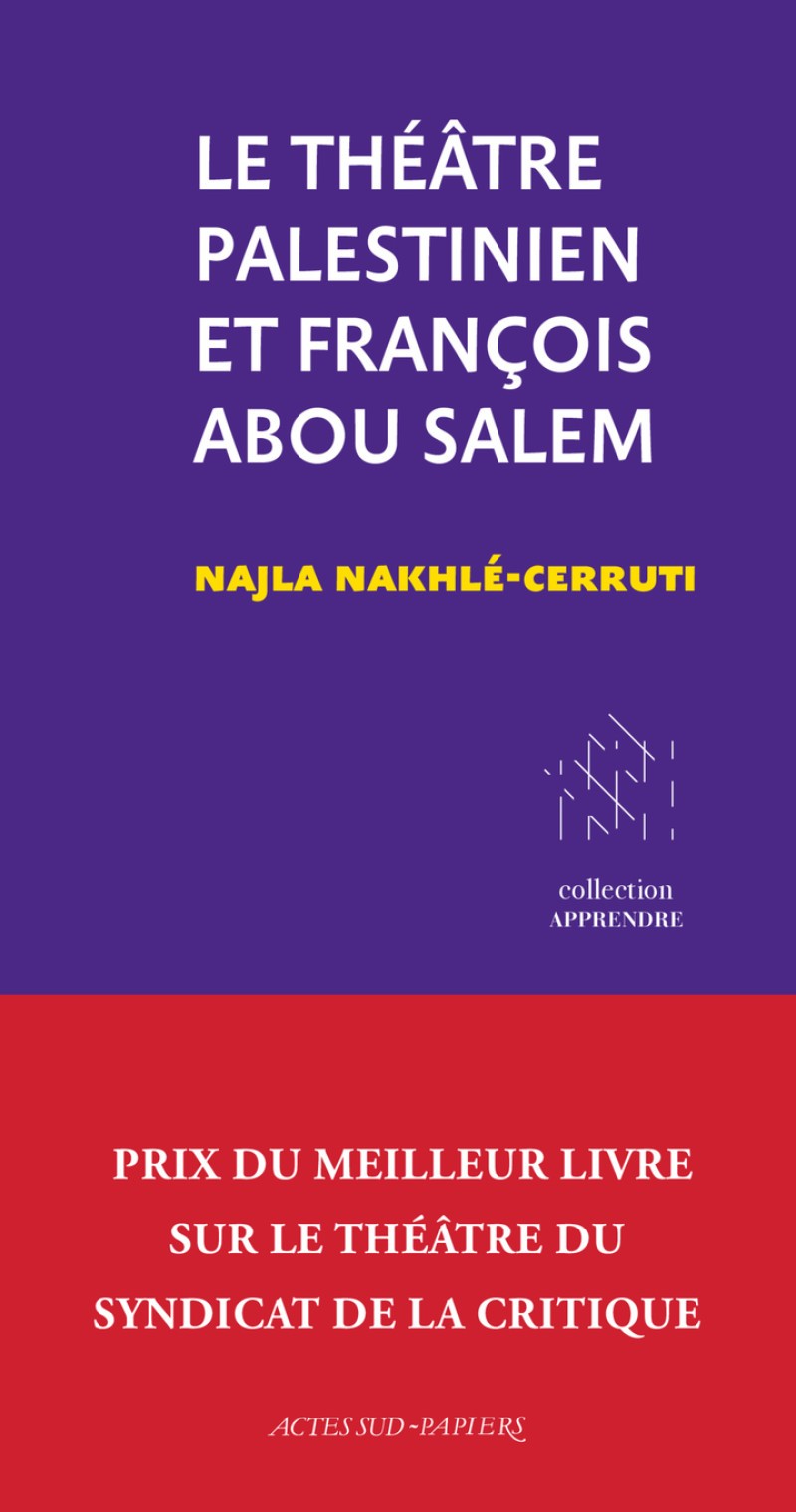
Le théâtre palestinien et François Abou Salem
Proposed by Karim Kattan
Les enfants de Cadillac
Proposed by Scholastique Mukasonga
The Road to the Country
Proposed by Scholastique Mukasonga
Vista Chinesa
Scribe, 2023
Proposed by Patrícia Melo
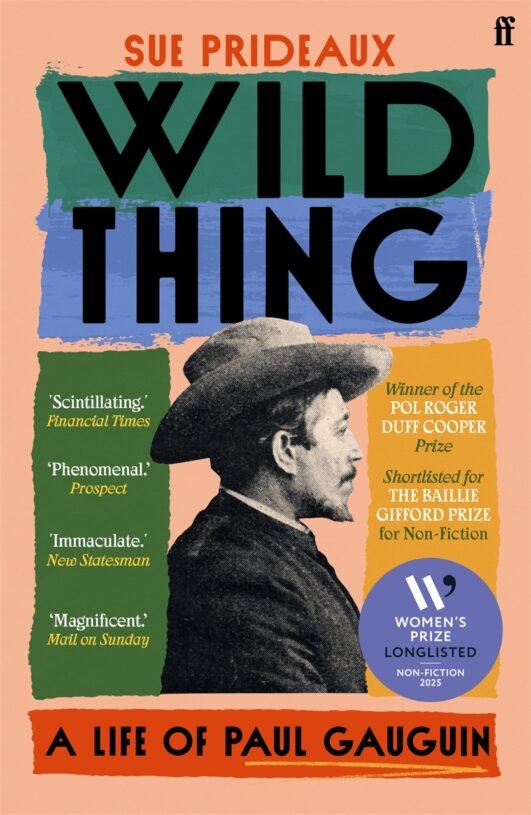
Wild Thing: A Life of Paul Gauguin
Proposed by Ian Rankin
Jury
Vera Michalski-Hoffmann, President of the jury
The publisher Vera Michalski-Hoffmann, born in 1954, who has always been committed to promoting literature and the written word, founded the publishing group Libella with Jan Michalski. Since 1987 numerous authors have been brought out in French, Polish and English at various publishing houses, including Noir sur Blanc, Buchet-Chastel, Phébus, and Wydawnictwo Literackie. In 2004 Vera Michalski created the Jan Michalski Foundation for Writing and Literature, whose mission is to foster literary creation and encourage the practice of reading through a range of initiatives and activities.
Jens Christian Grøndahl
The Danish writer Jens Christian Grøndahl was born in 1959 in Copenhagen, where he still resides. After studying philosophy, he trained in film directing at the National Film School of Denmark before turning to writing, publishing his first novel, Kvinden i midten (Vindrose), in 1985. He is now the author of a prolific body of work—comprising novels, essays, and children’s books—translated into around thirty languages. The recipient of numerous international literary awards, including the Jean Monnet Prize for European Literature in 2007 for Piazza Bucarest (Gallimard, 2007, originally published in Danish under the same title in 2004 by Lindhardt og Ringhof), he was named Chevalier des Arts et des Lettres in 2009. Among his works available in English translation are Silence in October (HarperCollins, 2000), Lucca (Houghton Mifflin Harcourt, 2003), An Altered Light (Houghton Mifflin Harcourt, 2006), and Often I Am Happy (Twelve, 2017). In 2025, he brought out Fra i nat sover jeg på taget (Gyldendal). In this novel, he revisits his favored themes—love, its shadows and silences—through the story of an aging and ailing man whose path crosses once again with a youthful love.
Nicolas Grospierre
Born in 1975 in Geneva, Nicolas Grospierre is a Franco-Polish visual artist and photographer. He wholly embraced his artistic calling following studies at Paris’s Institut d’études politiques and the London School of Economics. Now based in Poland, he sees modern architecture as central to his practice, putting it in dialogue with the themes of collective memory and the Anthropocene. In fusing different mediums he creates photo installations that offer viewers halls of mirrors and plays of light. He was awarded a Golden Lion at the 2008 Venice Biennale of Architecture. His work has been exhibited in museums throughout Europe and the Americas. In 2026, his photographic series Heliograms is exhibited at the Łazienki Palace Museum in Warsaw.
Karim Kattan
Born in 1989 in Jerusalem, Karim Kattan is a Palestinian and French writer. He holds a PhD in comparative literature and is the author of fiction, essays, and poetry collections translated into several languages. His work has appeared in Le Monde, Mediapart, Libération, The Paris Review, and The Dial, among others. Among his novels, Le palais des deux collines (Elyzad, 2021 ; in English, The Palace on the Higher Hill, Fondery Editions, 2025) won the Prix des Cinq Continents de la Francophonie, and L’Éden à l’aube (Elyzad, 2024) received several distinctions, including the Grand Prix du Roman Métis. In 2025, his collection Hortus Conclusus was published by L’Extrême Contemporain, exploring themes of displacement, belonging, and identity, as well as individual and collective memory—motifs that run throughout his work.
Patrícia Melo
Patrícia Melo was born in 1962 in Brazil and is a highly regarded novelist, playwright, and screenwriter. She has received numerous internationally recognized awards, including the Prêmio Jabuti (2001), the LiBeraturpreis (2013), the Deutscher Krimi Preis (1998 and 2014), and the Indies Book of the Year Award (2023). Comprising around a dozen noir novels and translated into several languages, her body of work offers a raw and unflinching portrayal of a fragmented contemporary Brazil, scarred by violence and poverty. Published in English by Bloomsbury Publishing are The Killer (1997), In Praise of Lies (1999), Inferno (2002), Black Waltz (2004), and Lost World (2009); followed by The Body Snatcher (Bitter Lemon Press, 2015) and The Simple Art of Killing a Woman (Restless Books, 2023), winner of the Grand Prix de l’héroïne Madame Figaro for the French translation.
Scholastique Mukasonga
An author, novelist and short-story writer, Scholastique Mukasonga was born in 1956 in Rwanda. Faced with the persecution of the Tutsi people, she was forced into exile in Burundi before settling in France in 1993. She wrote her first novel, Inyenzi ou les cafards (Gallimard, 2004), in English titled simply Cockroaches (Archipelago, 2016), in the aftermath of the tragedy of the 1994 Tutsi genocide during which thirty-seven members of her family were killed. Today her work boasts novels and short-story collections translated in over twenty languages. She has been awarded numerous prizes in France and internationally, including the 2012 Prix Renaudot for Notre-Dame du Nil (Gallimard, 2012), translated as Our Lady of the Nile (Archipelago, 2014), and the Prix de l’Académie des Sciences d’Outre-Mer for Julienne (2024). Two of her books, The Barefoot Woman (Archipelago, 2008) and Kibogo (Blackstone Publishing, 2020) were shortlisted for the National Book Award. In 2013, she was named Chevalier des Arts et des Lettres. Her latest novel, Déjà jadis, déjà demain, will be published in spring 2026 by Gallimard.
Ian Rankin
Born in Cardenden, Fife, in 1960, Sir Ian Rankin is a Scottish novelist who lived in London and later in France before settling in Edinburgh, where he now resides. His native country, along with his passion for punk and rock music, infuses his crime fiction. An international bestseller, his series of novels featuring John Rebus—a cynical and melancholic Scottish inspector with a taste for whisky—includes twenty-five volumes translated into more than thirty languages. Several have been adapted for television. He notably won the Edgar Allan Poe Award for Best Novel in 2004 for Resurrection Men (Mulholland Books, 2002), the Grand Prix de littérature policière in 2005 for Dead Souls (Mulholland Books, 1999; published in French as La mort dans l’âme, Le Rocher, 2004), as well as the prestigious Cartier Diamond Dagger in 2005 for his lifetime achievement. In 2024, Midnight and Blue was published by Mulholland Books, plunging Inspector Rebus into prison in a high-stakes locked-room drama.